Field guide 46 Europe
Northern Europe Ireland
Dublin,
at your own pace.
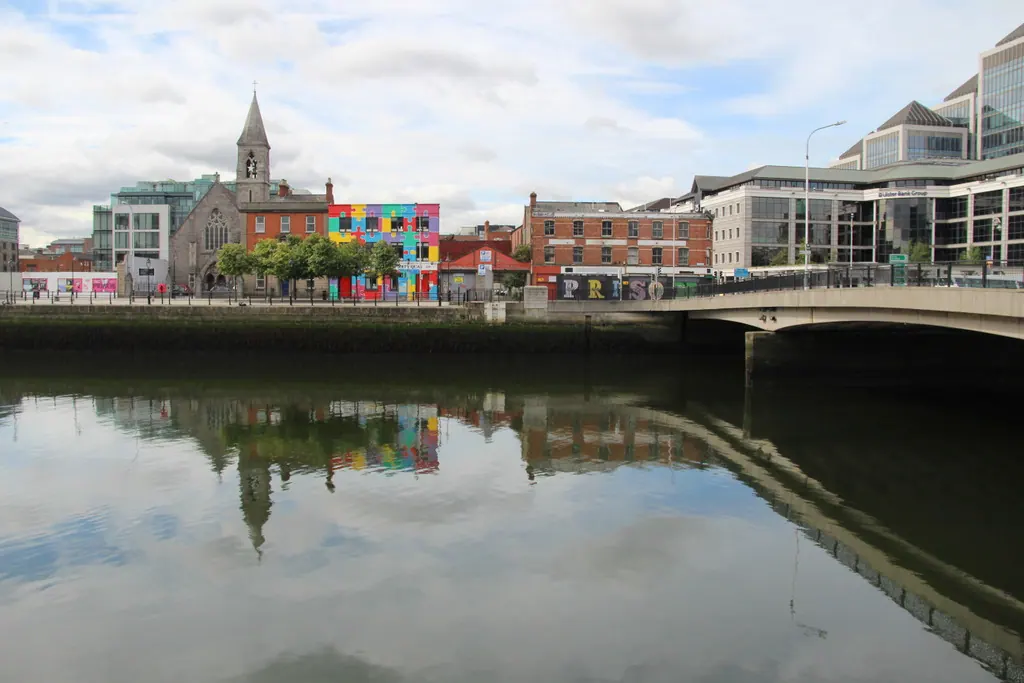
Literary landmarks and lively neighborhood pubs meet a walkable city shaped by the River Liffey.
Getting to know the place
More than
a first impression.
Dublin becomes more legible when its literary reputation is paired with a few places you can spend time in. This route begins at Trinity, moves into the National Museum's archaeology collection and makes room for St Stephen's Green. The three anchors are central, but that is no reason to visit them all before lunch. Leave each day flexible enough for a bookshop, a café or a change in the weather. A pub evening is optional; the city also makes sense through its public collections and quieter streets.
Culture, tradition & local character
Books, storytelling and conversation form one route into Dublin, but they should not reduce the city to a set of famous names. Trinity is a working university as well as a visitor destination. The archaeology collection introduces a much longer Irish history than a single literary district can tell. In pubs or performance venues, check whether music is an advertised event and respect the audience and performers. Residential streets, study spaces and everyday businesses remain places where people work and live.
A little more context
Take your time
with Dublin.
Separate the Book of Kells visitor experience from a general campus walk when deciding what to reserve. A photograph of an old library is not a guarantee of what is currently on display. The National Museum can also have gallery or service changes, so check its notices if a particular object is the main reason for your visit. Keep the afternoon after a substantial collection deliberately light; another ticket is not always the best use of the remaining day.
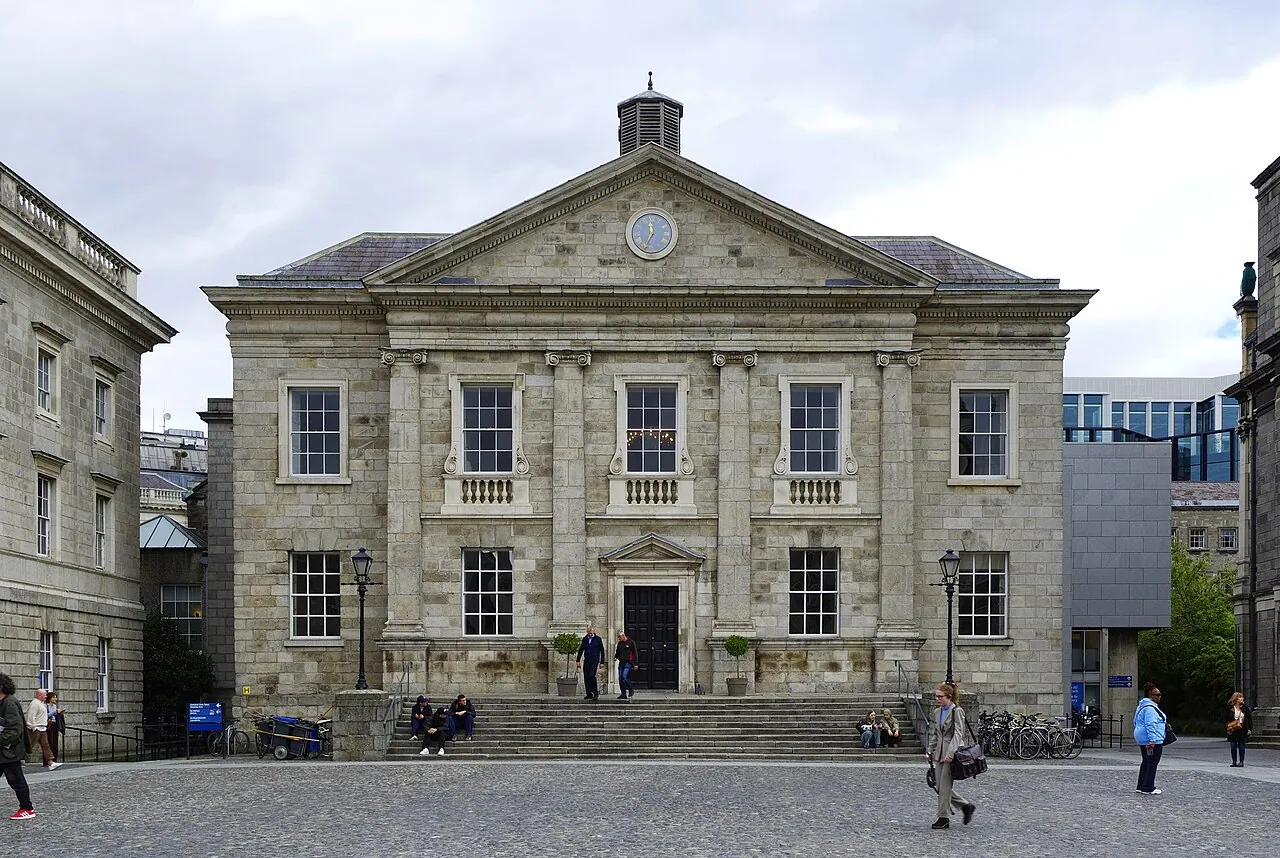
Trinity College and the Book of Kells
Choose between an official campus walk and the Book of Kells visitor experience, or reserve both if they match your interests. Trinity's official visitor site explains the current products and arrangements. The photograph shows the university's architecture rather than promising an unchanged library interior. Keep study spaces and working entrances clear, and allow time to read the collection's context.
Official visitor information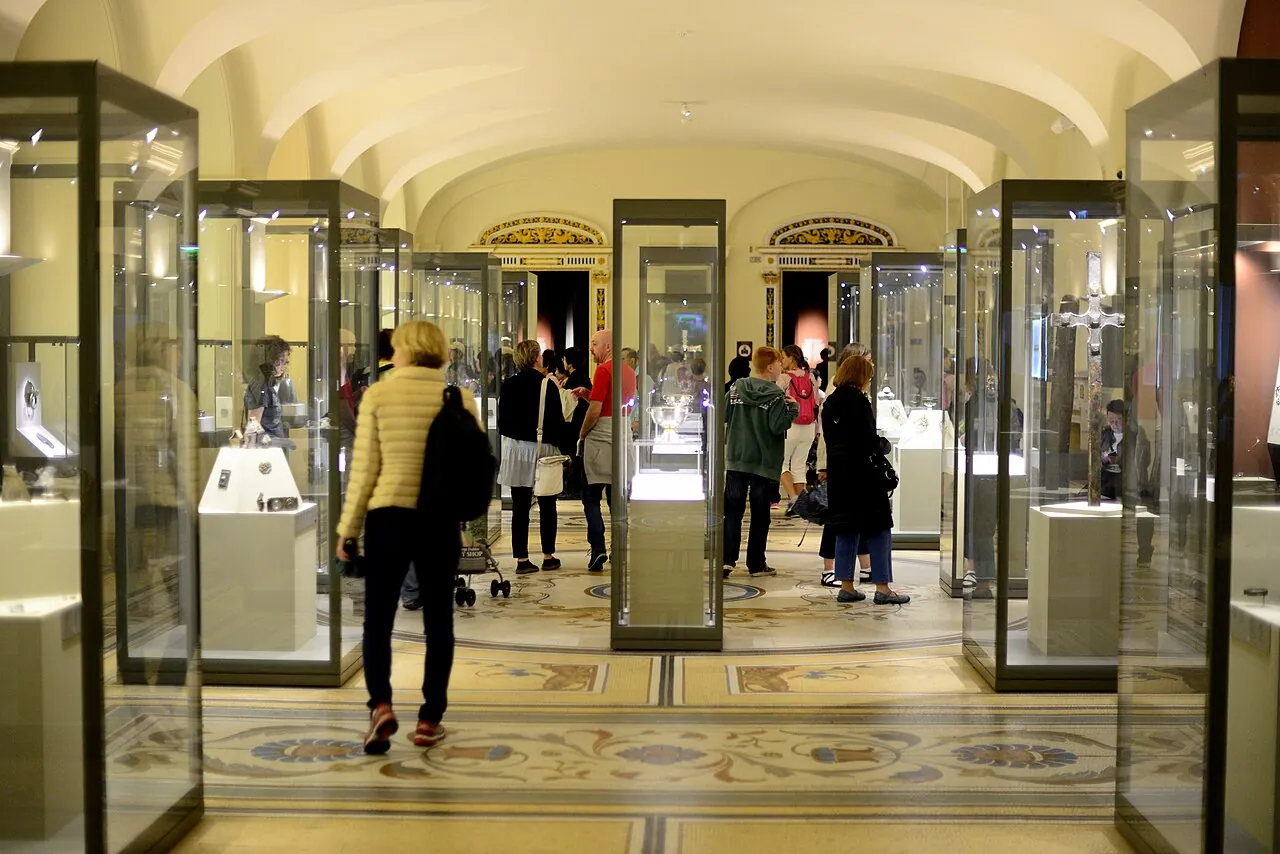
National Museum of Ireland – Archaeology
The archaeology museum on Kildare Street offers a concentrated introduction to Ireland's material history. Pick a theme rather than trying to see every case. Check official gallery and closure notices, especially when a particular object motivates the visit. Afterwards, keep the next part of the day simple: a seated lunch and a modest walk can be more rewarding than another large collection.
Official visitor information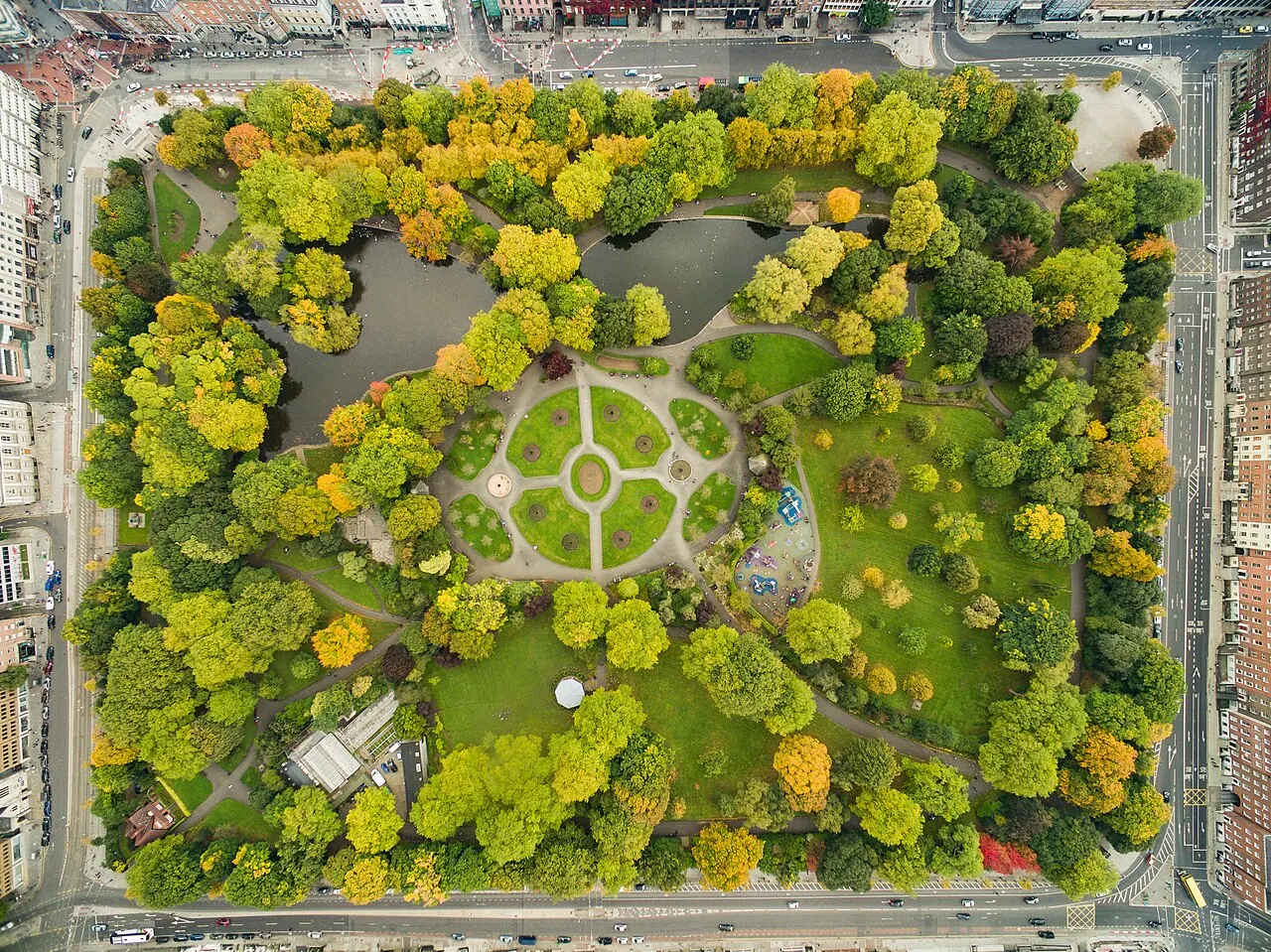
St Stephen’s Green
Use the park as a pause in the centre, with a route that fits your available time and mobility. Its Victorian layout, lake, planting and memorials invite attention without requiring a complete circuit. Heritage Ireland provides the current visitor information. Add nearby streets or a bookshop afterwards, while keeping enough energy for the evening rather than treating the green as a shortcut.
Official visitor informationDublin, on the map.
See the places mentioned in this guide together. Area pins are approximate centres; check the right entrance and current access before setting out.
The map loads when you choose it. Map tiles are provided by OpenStreetMap.
- Trinity College DublinDay 1 · Area overview
- National Museum Ireland ArchaeologyDay 2 · Place
- St Stephens Green DublinDay 3 · Area overview
No fixed attraction is pinned for this day. Follow the neighbourhood suggestions in the itinerary and check local routes.
Open Dublin in Google Maps ↗ · Pins are for orientation, not turn-by-turn routes. Confirm transport, accessibility, entrances and conditions directly.
Map information & sources
Place coordinates use Wikidata’s CC0 data, reviewed for this guide. Area markers show approximate centres and may not identify an accessible entrance. Map tiles © OpenStreetMap contributors.
A little room to wander.
An editorial three-day route, grouped by area. For two days, choose the chapters that interest you; check opening days, access and current conditions before arranging fixed bookings.
-
Day 1
A university and a city of books
- Morning
- Visit Trinity using the product and entry time you have chosen.
- Afternoon
- Have lunch, then browse a nearby bookshop or take a compact city-centre walk.
- Evening
- Choose an advertised performance, a pub meal or a quieter evening near your base.
-
Day 2
Objects and the streets around Kildare Street
- Morning
- Spend a focused morning in the archaeology museum, checking current notices first.
- Afternoon
- Pause for lunch and choose one small area to explore rather than adding another major museum.
- Evening
- Keep dinner and the return journey flexible.
-
Day 3
A park and room to follow an interest
- Morning
- Walk part of St Stephen’s Green when its gates are open.
- Afternoon
- Revisit an area you enjoyed or choose a separate gallery, with time to sit.
- Evening
- Leave space for packing and your onward connection rather than a final cross-city dash.
Food & everyday life
Food & local culture in Dublin.
Use breakfast or lunch as a chance to sit somewhere outside the busiest evening streets. A bakery, a café lunch and a pub kitchen offer different budgets and atmospheres; none represents every Irish food tradition. Read the menu, check kitchen service times and discuss allergies directly. If you choose a pub, an alcohol purchase is not a requirement of this itinerary. Plan a meal you actually want rather than arranging the day around a checklist of stereotypical dishes.
Getting around
How to get around Dublin.
Use Transport for Ireland's journey planner for bus, Luas and rail options, including the route back to your accommodation. The centre supports compact walks, but rain and time spent standing can make a short connection worthwhile. Check the ticket or fare product for the services you will actually use. Airport and intercity travel are outside the sample daily budget.
Season & pace
Keep a waterproof layer and an indoor alternative available. Check museum notices and the park's opening arrangements before setting out; a short daylight window can be a good reason to shorten the afternoon walk.
Access & comfort
Accessibility in Dublin.
Check access separately with Trinity, the museum and the park. Historic campus surfaces and individual buildings may present different conditions from a nearby public pavement. Heritage Ireland publishes information for St Stephen's Green, including its pathways, but conditions can change. Ask about entrances, lifts, toilets and seating where they matter to your day; do not treat the whole route as a verified accessible itinerary.
Indicative budget · EUR
What to budget for Dublin.
Use these editorial allowances as a first planning envelope for one adult. Accommodation is extra. These are estimates, not a price survey, quoted fares or live hotel rates.
| Category | Allowance per person |
|---|---|
| Casual meals | €30–€55 |
| Local journeys | €5–€15 |
| Visits & admissions | €0–€40 |
| Sample day total | €35–€110 |
What this estimate includes
Casual food, short local transport journeys and a mix of free walks or paid visits. Airport and intercity travel, taxis, shopping, alcohol and accommodation are excluded. Two- and three-day totals use the same daily allowance; your choices can cost less or more. Check the official sources below and compare complete room totals for your dates.
Stay, eat, explore.
Compare options for Dublin, Ireland. These links open current listings; Elsewhere does not book trips or set prices.
Find your kind of stay
Check live hotel rates Lower-cost stays · $ Mid-range stays · $$ Higher-end stays · $$$Find a table
Compare restaurants, menus and recent reviews Search MICHELIN Guide selectionsMake a little plan
Browse key attractions Explore local neighbourhoods Look up local public transport Find visitor accessibility guidance Compare indicative daily costs Find MICHELIN Guide hotelsThe $ / $$ / $$$ labels are broad relative price levels, not fixed nightly ranges. Rates change with dates, room type, fees and availability. Budget links are research starting points, not Elsewhere price quotes or guarantees.
A useful note before you go
Well-prepared, not overplanned.
Compare a central base around the south city centre or a well-connected location near your arrival route. Check the final walk, street noise and the practicalities of an early departure. For an evening-focused stay, read the room's location carefully rather than assuming a central postcode means a quiet night. Confirm lifts and luggage arrangements with the property.
This is an editorial introduction, not a live travel advisory. Schedules, transport, entrance rules and local conditions change; confirm them directly with responsible local or official sources before your trip.
Sources & review
Before you set out.
Desk research reviewed . The route and budget allowances are Elsewhere’s editorial suggestions. Consult the linked official visitor, venue and transport information for current access, prices and conditions.
Know something we should correct? Send a destination correction. Include the detail and a supporting source; please avoid private information.
Where to next?
A few more places to get to know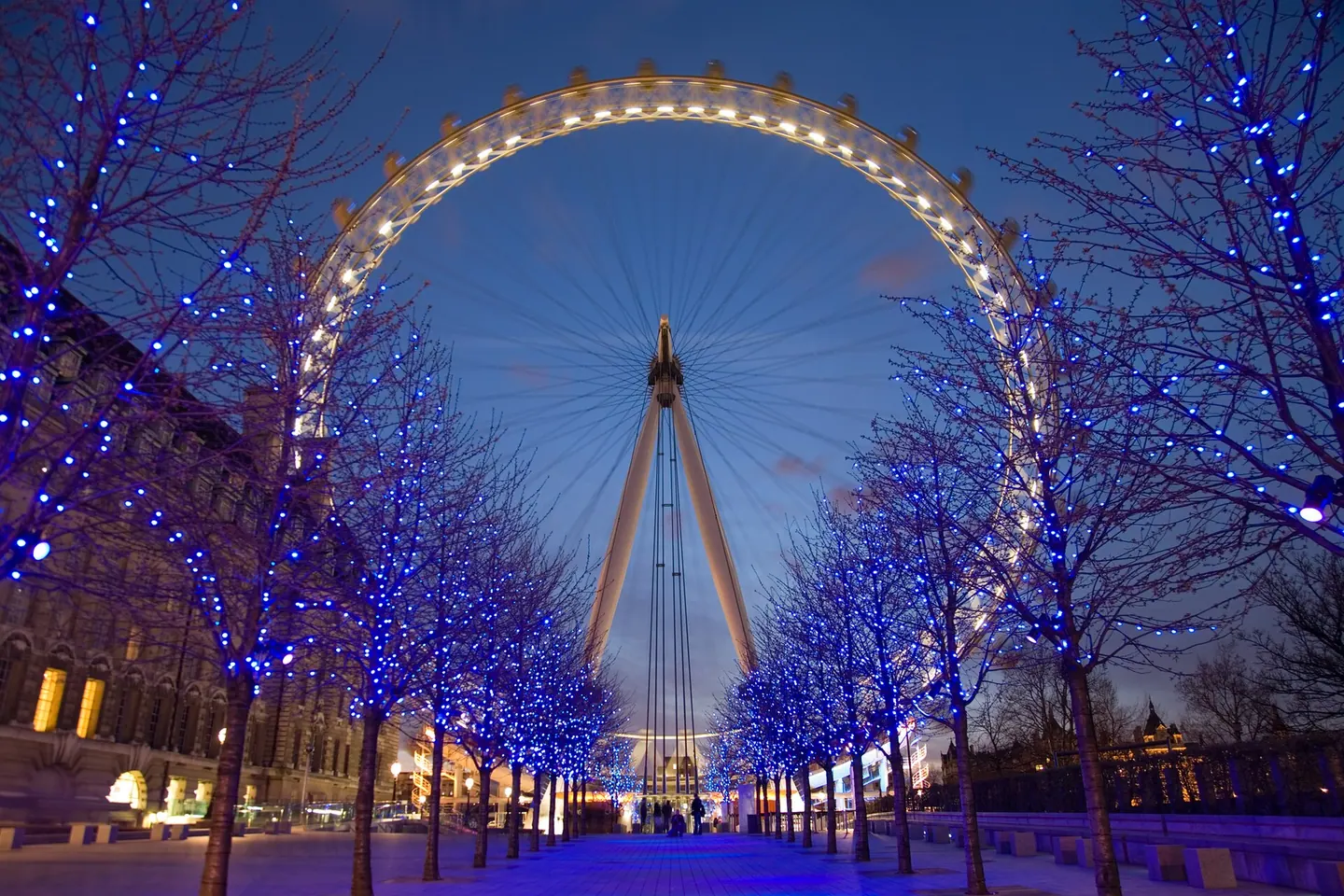
London
Royal Westminster, museum rooms and a maritime day beside the Thames, with time for the neighbourhoods between.
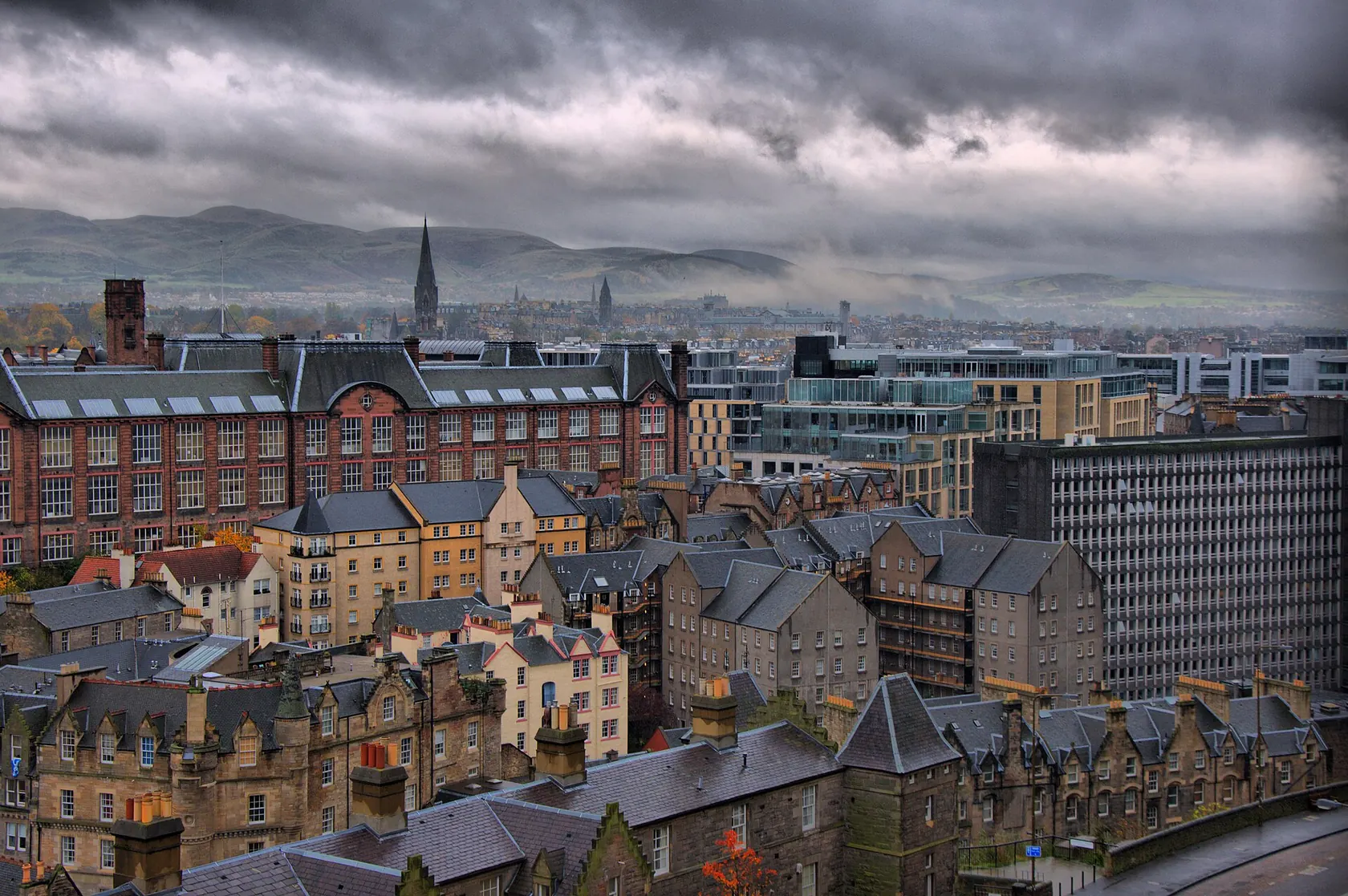
Edinburgh
Close-packed stone lanes, independent galleries and a dramatic hill above the city.
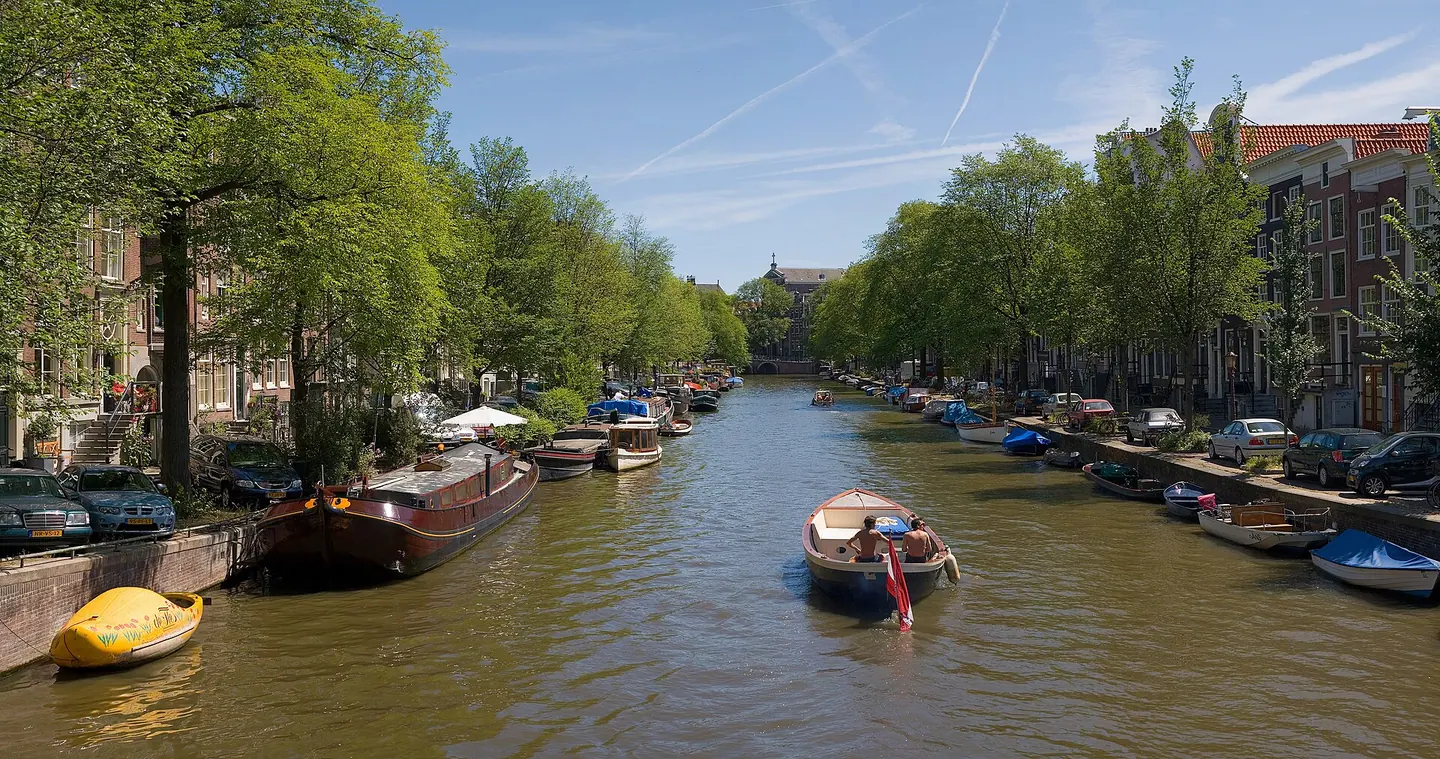
Amsterdam
Canal-side streets, Dutch art and a ferry to a former shipyard: three different scales of Amsterdam.