Field guide 12 Asia
East Asia Japan
Tokyo,
at your own pace.
One station at a time: tiny bars, shrine approaches and neighborhoods with their own tempo.

Getting to know the place
More than
a first impression.
Tokyo is less a city to cover than a collection of local worlds. Pair one major sight with an open afternoon in the same neighborhood, use the train network as an invitation rather than a checklist, and leave room for a late-night bowl of noodles.
Culture, tradition & local character
Contemporary architecture, intimate neighborhood traditions and a varied everyday food culture share the same street grid.
A little more context
Take your time
with Tokyo.
Tokyo is best approached as a collection of distinct local centers rather than one enormous checklist. Pair a major destination with the lanes and food streets nearby, and use the train network to make a focused day possible rather than to cross the city repeatedly. A neighborhood breakfast can offer a quieter introduction than beginning at a landmark. Leave your evening flexible: the character of a district can change once the daytime crowds have thinned.

Yanaka and Nezu
Explore the lower-rise lanes, small temples and independent shops that offer a slower counterpoint to central Tokyo.

Shibuya after dark
Take time for the changing city lights, but explore the quieter backstreets rather than stopping at the famous crossing.

A neighborhood breakfast
Begin early with a local café or market visit and watch the city move into its day.
Tokyo, on the map.
See the places mentioned in this guide together. Area pins are approximate centres; check the right entrance and current access before setting out.
The map loads when you choose it. Map tiles are provided by OpenStreetMap.
- YanakaArea overview
- Shibuya CrossingPlace
No fixed attraction is pinned for this day. Follow the neighbourhood suggestions in the itinerary and check local routes.
Open Tokyo in Google Maps ↗ · Pins are for orientation, not turn-by-turn routes. Confirm transport, accessibility, entrances and conditions directly.
Map information & sources
Place coordinates use Wikidata’s CC0 data, reviewed for this guide. Area markers show approximate centres and may not identify an accessible entrance. Map tiles © OpenStreetMap contributors.
A little room to wander.
A flexible three-part outline, drawn from this guide’s own notes. Switch the order around, leave space to rest, and check opening days and travel times before setting out.
- Part 01Begin gently
Yanaka and Nezu
Explore the lower-rise lanes, small temples and independent shops that offer a slower counterpoint to central Tokyo.
- Part 02Follow your curiosity
Shibuya after dark
Take time for the changing city lights, but explore the quieter backstreets rather than stopping at the famous crossing.
- Part 03Leave space for a detour
A neighborhood breakfast
Begin early with a local café or market visit and watch the city move into its day.
Choose your chapter · Section reviewed 2026-11-08
A little closer to Tokyo.
Tokyo becomes easier to read when a day has a district rather than a city-wide checklist. Compare two eastern and northern chapters below; neither requires adding a distant night-time district simply to make the day feel complete.
Asakusa: temple, shopping street and river
Choose Asakusa for Sensoji, Nakamise and the Sumida waterfront. Religious space, small retail and entertainment sit close together, but they are different activities: pause at the temple, browse without blocking a shop and make the river an optional change of scene. GO TOKYO identifies Asakusa’s railway lines and riverboat pier; check the operator for the journey you actually want.
Yanaka and Nezu: smaller streets
Choose this chapter for temples, independent galleries and shopping at a smaller scale. GO TOKYO places the area near Ueno and highlights Yanaka Ginza and Nezu Shrine. Select a few streets, then stop for a meal rather than trying to cover every temple. Quiet lanes and cemetery paths deserve the same consideration as a residential street.
Culture, with context
Traditional Tokyo includes living worship and contemporary shops alongside older architecture. A short encounter with a craft or food business can be more revealing than treating a district as an untouched historical set. Ask before photographing people or the inside of a shop.
Make the day your own
For an early departure or a tiring day, choose Asakusa alone. With more time, give Yanaka and Nezu their own chapter and check the station and exit that best suit the chosen streets. Do not assume similarly named stations have interchangeable platforms or exits.
Useful questions
Should I visit both districts in one day?
You can choose to, but this guide suggests treating them as separate chapters if time allows. Drop the second outing when the first deserves longer.
Does an early temple visit mean all shops are open?
No. Worship access and individual shop hours are separate; confirm any business you specifically want to visit.
Sources for this section
Desk research by Elsewhere Travel. The choices and pacing are editorial suggestions; confirm current venue and transport information directly. How we research and correct our guides.
Plan with confidence
Tokyo trip planning essentials
Choosing a base and transport
Pick a hotel near rail lines that serve the neighborhoods you want; large stations can add walking and transfer time.
A realistic starting itinerary
Day 1: explore an older quarter. Day 2: pair a museum or garden with nearby streets. Day 3: focus on food, design or small cultural venues.
Before you travel
Plan by adjacent districts, check last trains and reserve timed-entry attractions in advance when required.
Stay, eat, explore.
Compare options for Tokyo, Japan. These links open current listings; Elsewhere does not book trips or set prices.
Find your kind of stay
Check live hotel rates Lower-cost stays · $ Mid-range stays · $$ Higher-end stays · $$$Find a table
Compare restaurants, menus and recent reviews Search MICHELIN Guide selectionsMake a little plan
Browse key attractions Explore local neighbourhoods Look up local public transport Find visitor accessibility guidance Compare indicative daily costs Find MICHELIN Guide hotelsThe $ / $$ / $$$ labels are broad relative price levels, not fixed nightly ranges. Rates change with dates, room type, fees and availability. Budget links are research starting points, not Elsewhere price quotes or guarantees.
A useful note before you go
Well-prepared, not overplanned.
Get a current transit card and rail guidance, check opening schedules directly, and choose a stay close to the neighborhoods you most want to understand.
This is an editorial introduction, not a live travel advisory. Schedules, transport, entrance rules and local conditions change; confirm them directly with responsible local or official sources before your trip.
Know something we should correct? Send a destination correction. Include the detail and a supporting source; please avoid private information.
Where to next?
A few more places to get to know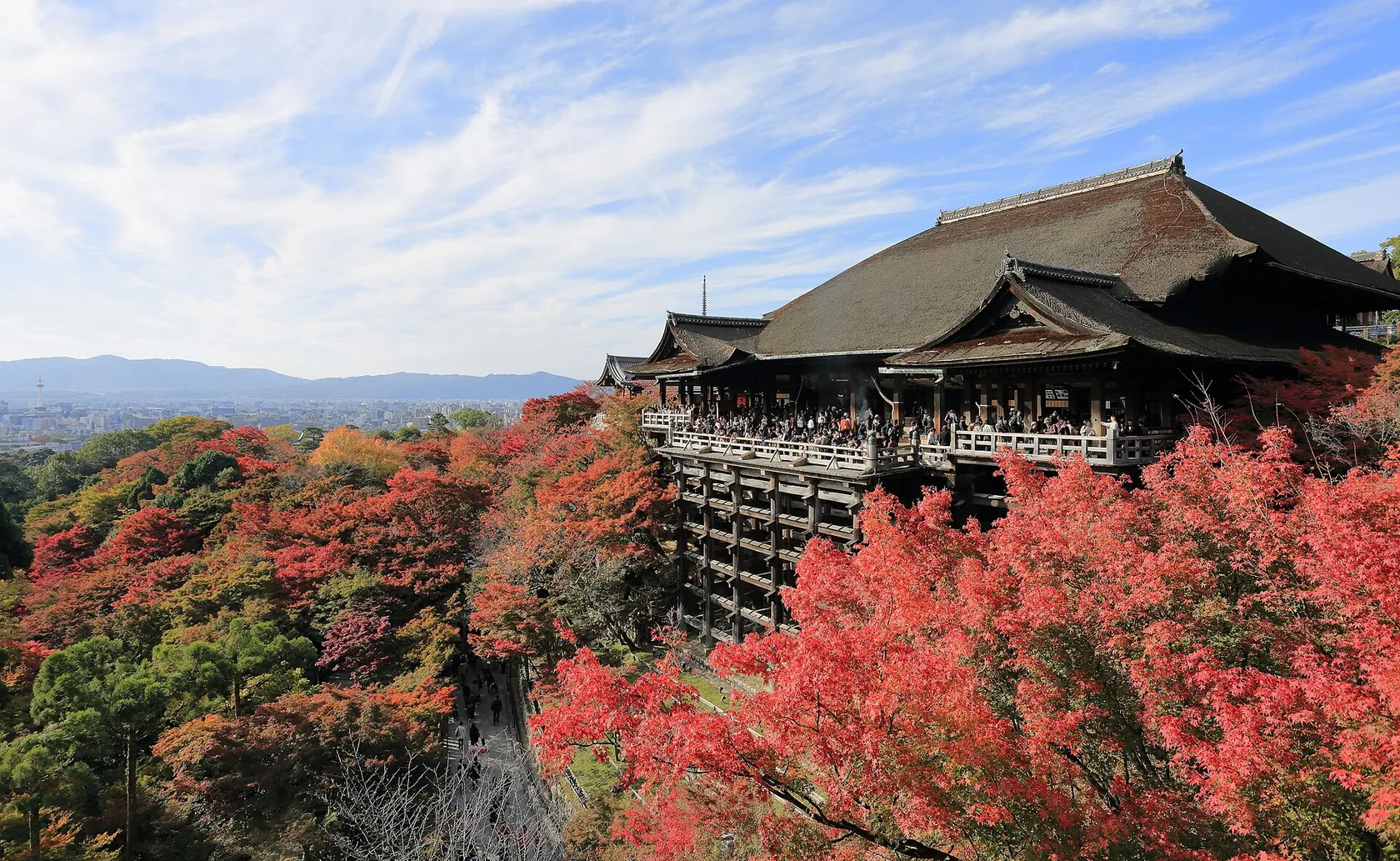
Kyoto
Temple gardens, neighborhood kitchens and old streets that reward a slower walk.

Kanazawa
Artisan workshops, garden paths and a quietly rewarding alternative to Japan's largest cities.

Hoi An
A trading-town old quarter, an everyday market and green rice country nearby.